Design Through Maintenance: Learn About the Diverse Categories of Landscaping Services We Deliver
Landscaping services encompass a broad spectrum of solutions, from initial design concepts to ongoing maintenance. Each phase is crucial in building and maintaining an outdoor space that matches personal preferences and environmental considerations. By comprehending the process and options available, homeowners can choose wisely that improve both aesthetics and functionality. What specific elements should one consider to ensure a prosperous outdoor renovation?
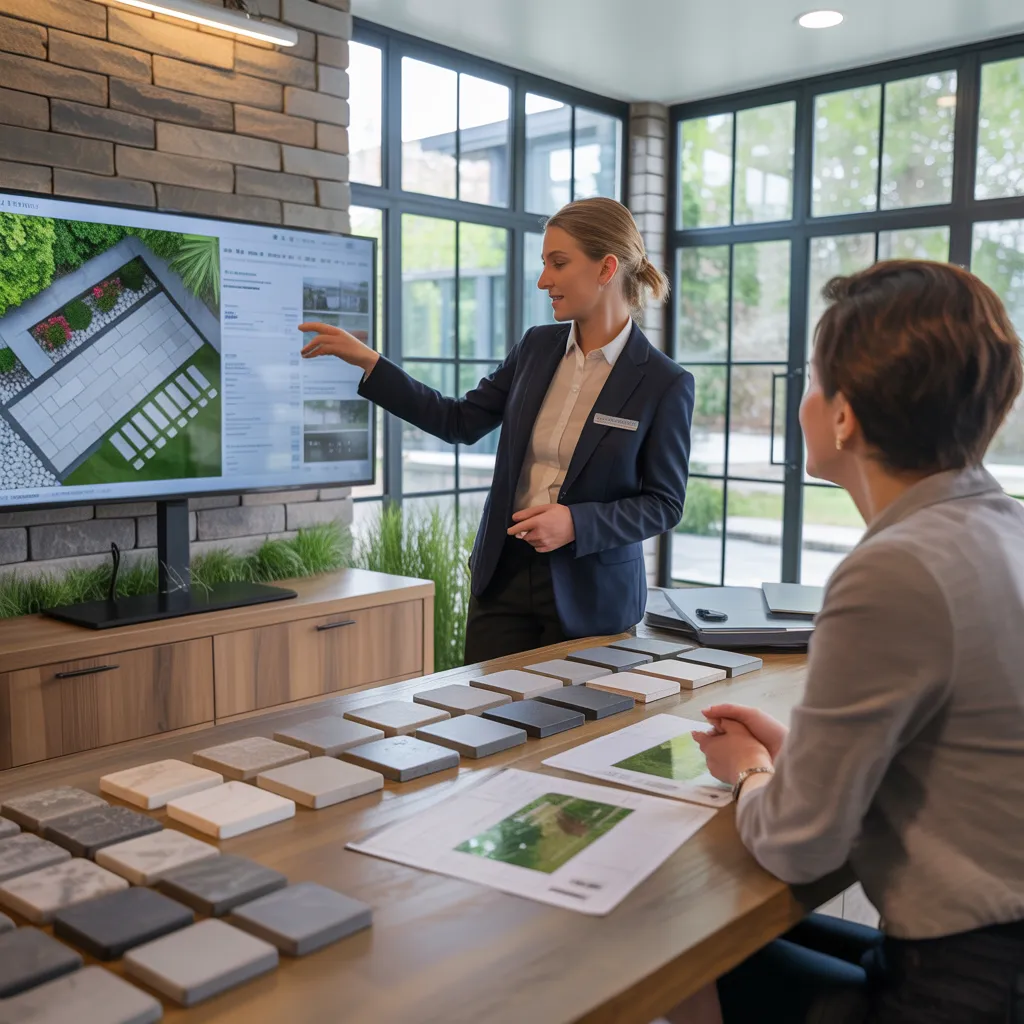
Strategies to Outline Your Yard Design Vision
Formulating a outdoor design vision is crucial for developing an yard area that represents personal style and addresses practical needs. This undertaking begins by examining the existing environment, encompassing soil quality, sun availability, and seasonal factors. Comprehending these factors facilitates picking fitting vegetation and materials.
Next, individuals should think about their lifestyle and how they intend to use the space. Whether for hosting events, gardening, or rest, these activities will dictate design choices.
Creative ideas for visuals can be gathered from various outlets, including magazines, online platforms, or nature itself. A mood board can support clarifying your inclinations.
To conclude, determining a budget is necessary, as it shapes plant choices, hardscaping alternatives, and design complexity. By merging these elements, people can create a well-defined outdoor vision that unites aesthetic charm with functionality, facilitating a successful yard upgrade.
Designing the Superior Landscape Style
Having a clear landscape plan established, the subsequent step comprises formulating the perfect landscape design. This undertaking requires a mixture of originality and practical considerations. Successful landscape design begins by assessing the site's distinct characteristics, such as topography, soil type, and sunlight exposure. These factors guide the layout, ensuring the design improves the scenic appeal of the environment.
A accomplished design blends various elements, including hardscaping features like patios and pathways, alongside soft landscaping components such as lawns and gardens. Intentional placement of these components creates a serene flow, guiding visitors through the space. Additionally, attention to scale and proportion guarantees that each element enhances the others, avoiding overcrowding or imbalance.
Ultimately, the design should reflect the client's inclinations while upholding efficiency. By systematically planning every feature, a outdoor arrangement can convert the outdoor space into a breathtaking and inviting environment, ready to be experienced year-round.
Selecting Plants That Flourish in Your Weather Conditions
Identifying plants that succeed in a specific climate necessitates a thorough understanding of hardiness zones, which demonstrate which species can tolerate local temperatures. Additionally, emphasizing local vegetation can enhance ecological balance and strength in the outdoor space. Timing considerations elements also have an essential role in ensuring enduring positive outcomes and health of the garden.
Comprehending Plant Hardiness Zones
Knowing the zones of hardiness is essential for gardeners and landscapers trying to grow plants that will thrive in their specific climates. These zones, created by the USDA, organize areas based on average minimum winter temperatures. By finding out the hardiness zone of a site, people can select plants that are more likely to survive local weather patterns. Each zone is given a number, and subdivisions show minor temperature changes. For example, a plant classified to Zone 5 might not fare well in Zone 4, where winters are harsher. Knowing these zones aids in making informed decisions on plant selection, leading to healthier landscapes and cutting down on plant failure. This knowledge ultimately contributes to a more sustainable and vibrant garden or landscape.
Native Plant Choice
While many gardeners may be drawn to pick foreign species for their landscapes, start here opting for native species often yields improved outcomes. Local species are adapted to local climates and soils, requiring minimal irrigation and care in contrast to non-native varieties. They supply vital homes for local wildlife, promoting environmental diversity and natural equilibrium. Opting for native species can also decrease pest issues, as these plants are inherently protected to region-specific illnesses. Additionally, incorporating local species enhances the visual charm of a landscape by reflecting the area's organic splendor. Plant enthusiasts are inspired to explore the particular local species suitable for their locality, ensuring a thriving garden that aligns with environmental sustainability. Ultimately, local species preference forms a harmonious and resilient outdoor space.
Key time-based planting points for your growing space
When designing a garden, gardeners must consider the changing weather patterns that impact plant growth and health. Selecting plants that flourish in specific climate zones secures maximum health and lifespan. For instance, in warmer regions, drought-resistant plants may be favored, while cooler climates favor hardy perennials that can withstand frost. Understanding local weather patterns, such as rainfall and temperature changes, helps in picking the right species. Additionally, seasonal changes determine planting times; spring is ideal for many annuals, whereas fall can be perfect for certain perennials. By aligning plant selection with local climate elements, gardeners can create thriving, eco-friendly landscapes that prosper through all seasons, lowering maintenance efforts and boosting the overall appeal of the garden.
Design Your Vision Garden Environment
Establishing a magnificent outdoor living space entails deliberate thought of tailored design solutions that embody individual preferences. Functional outdoor features, like rest areas and cooking spaces, improve usability while supporting the overall aesthetic. Altogether, these elements convert a landscape into a distinctive haven.
Customized Layout Approaches
Tailored customized approaches offer homeowners the chance to transform their outdoor spaces into personalized retreats. By considering individual choices, lifestyles, and environmental factors, landscaping professionals create unique designs that reflect the homeowner's vision. These solutions encompass diverse elements, such as plant selection, hardscaping, and layout adjustments, ensuring that each outdoor space is both aesthetically pleasing and functional. Through collaboration with clients, designers can incorporate specific themes, colors, and materials, enhancing the overall appeal. The focus is on creating balanced environments that seamlessly integrate with the home while addressing the homeowner's practical needs. Ultimately, tailored design solutions not only elevate the beauty of outdoor areas but also foster a sense of connection with nature, enriching everyday experiences.
Effective Outdoor Amenities
Practical outdoor amenities serve an important role in enhancing the usability and enjoyment of outdoor living spaces. These elements, such as patios, decks, and outdoor kitchens, establish inviting areas for rest and socializing. Including features like fire pits and water elements can deliver both aesthetic charm and practical advantages, letting homeowners appreciate their yards year-round. Furthermore, strategically positioned seating and dining areas foster social gatherings, while pathways and lighting enhance navigability and protection. Green options, like rain gardens and permeable paving, support ecological wellbeing. In summary, practical outdoor features convert a yard into a versatile space that addresses diverse requirements, assisting homeowners to maximize their outdoor experience while establishing a peaceful balance between nature and design.
Ways to Create Your Landscaping More Eco-Friendly?
How can property owners transform their outdoor spaces into eco-friendly landscapes? One practical approach is to include native plants, which require less water and maintenance while supporting local wildlife. Using drought-resistant species can greatly decrease water consumption, making landscapes more environmentally responsible.
Another option requires deploying rain gardens to manage stormwater runoff proficiently, allowing rainwater to sink into the ground rather than contributing to environmental harm. Homeowners can also decide on natural fertilizer solutions and pest suppression methods to limit chemical handling, supporting a more vibrant ecosystem.
Porous surface products used for walkways and parking areas improve water seepage, reducing erosion and runoff. Additionally, placing compost containers supports waste reduction and enriches soil health.
Critical Ongoing Landscape Care
What essential duties ensure a landscape stays vibrant and healthy throughout the year? Year-round landscape maintenance includes a variety of important activities that encourage optimal development and aesthetics. Regular cutting ensures that grass remains thriving and at an ideal height, while seasonal nutrient application supplies essential nutrients. Trimming shrubs and trees not only preserves their shape but also promotes healthy growth and reduces the risk of disease.
Weeding is another essential task, as it prevents competition for nutrients among plants. Mulching helps in keeping soil moisture and suppresses weed growth, upgrading the overall appearance of garden beds. In addition, seasonal assessments of irrigation systems guarantee efficient water use, stopping waste and fostering sustainability.
Redesigning Your Space: Remarkable Before and After
A neatly kept landscape sets the stage for dramatic changes that can improve any outdoor setting. Landscaping services focus on revitalizing areas, presenting eye-catching before-and-after transformations that captivate. These projects usually begin with a thorough assessment of the existing landscape, locating spots needing work, such as unruly foliage, aging paths, or insufficient lighting.
After the plan is finalized, skilled professionals apply upgrades that may consist of new plantings, aesthetic elements, and functional installations like patios or outdoor kitchens. The outcomes can be striking: barren yards can turn into flourishing gardens, while dull pathways can be transformed into appealing pathways.
Photographs capturing these evolutions reveal the capability of professional landscaping. The striking difference between the former state and the finished project demonstrates not only aesthetic appeal but also the increased value of the residence. Ultimately, a wonderfully transformed landscape can create a inviting feel, enriching the overall experience of exterior spaces.

Common Inquiries Raised
How Much Will Average Yard Work Services Cost?
The average cost of landscaping services usually falls from $1,500 to $5,000, depending on elements like project size, complexity, and materials used. Homeowners often discover fluctuating costs based on local labor rates and economic conditions.
What timeframe is Standard for a Landscaping Project?
A landscape design undertaking typically takes between one to four weeks, based on elements like project size, complexity, weather conditions, and the specific services required. Careful preparation can help streamline the timeline efficiently.
Do You Provide Seasonal Landscape Design Services?
Certainly, seasonal landscape solutions are made available, such as spring clean-ups, summer maintenance, autumn leaf removal, and winter preparations. These services guarantee landscapes continue to be healthy and visually appealing throughout the changing seasons, addressing specific seasonal needs proficiently.
Will I Be Able to Upkeep My Landscape Myself Post-Installation?
Yes, upkeeping a landscape on your own after installation is feasible. However, it demands understanding of proper techniques, tools, and seasonal maintenance to ensure the landscape stays healthy and visually attractive over time.
Which Gear Do You Use for Outdoor Design Undertakings?
Landscaping ventures typically call for gear such as lawnmowers, trimmers, blowers, shovels, rakes, and various power tools. Larger ventures may also use excavators and trucks for transporting materials, enhancing efficiency and precision in the work.